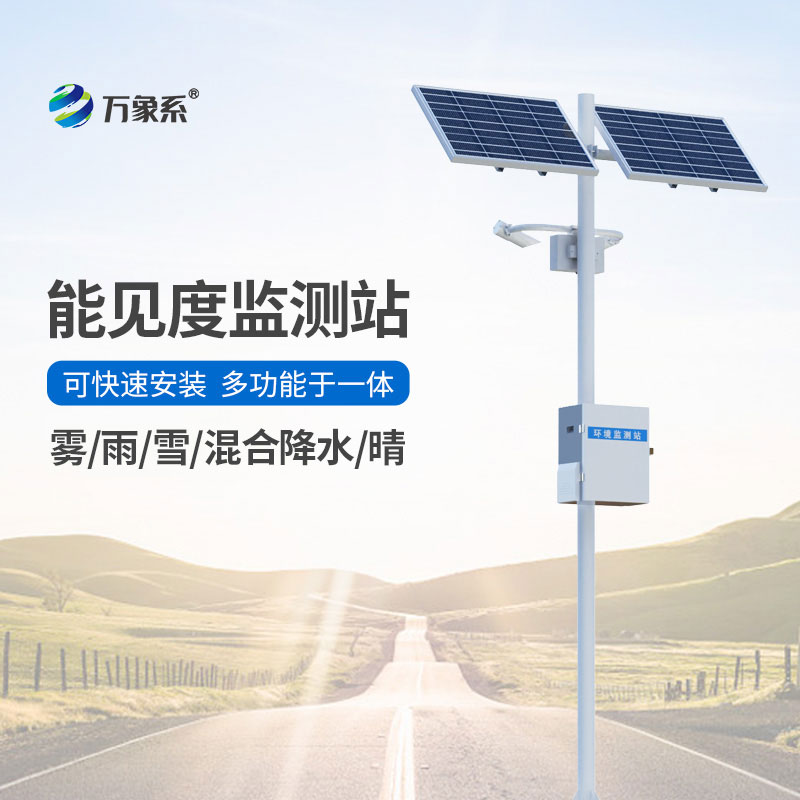
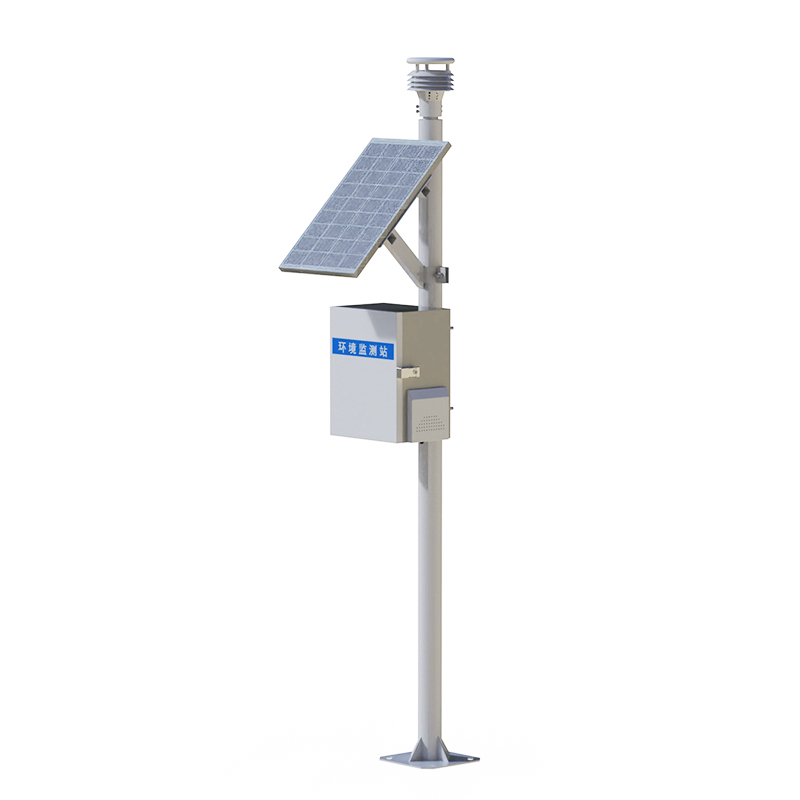
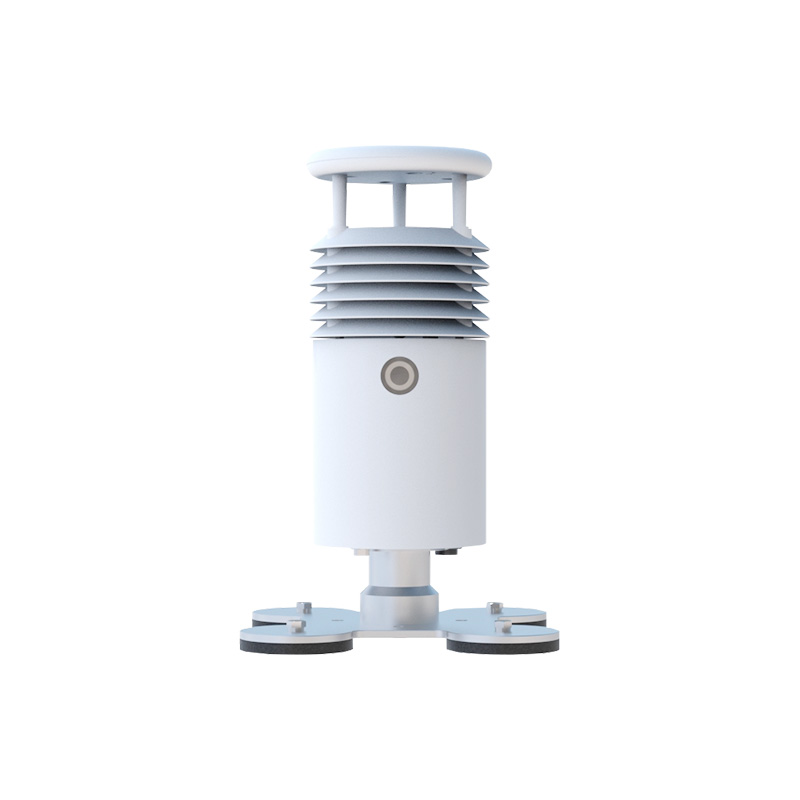
At important transportation hubs such as highways, airports, and ports, visibility directly affects the safety and efficiency of travel. Weather conditions like fog, heavy rain, and sandstorms can sharply reduce visibility, obstructing the vision of drivers and pilots and potentially causing serious accidents. The WX-NJD50 visibility monitoring station acts as a vigilant "visual guardian", capable of real-time detection of changes in surrounding visibility and promptly transmitting accurate visibility information. It provides reliable basis for traffic dispatch and travel decisions, safeguarding every journey.
The most prominent advantage of the WX-NJD50 visibility monitoring station is its objectivity and real-time monitoring. It can capture the optical changes in the surrounding environment 24 hours a day without being disturbed by human factors, accurately reflecting the actual visibility conditions. Whether it is the advection fog that quietly descends in the early hours of the morning or the sudden deterioration of visibility before a heavy rain, the monitoring station can detect and record the data immediately. These real-time updated data enable traffic management departments to keep abreast of visibility dynamics simultaneously, avoiding decision-making errors due to information lag.
For the vast number of travelers, visibility monitoring stations serve as an "invisible barrier" to ensure safety. Before setting out, drivers can check the visibility information released by the monitoring stations through relevant platforms, plan their routes in advance, and avoid areas with poor visibility. Air passengers can also use the visibility data released by the airport to reasonably estimate the takeoff and landing times of their flights and reduce anxiety during waiting. Especially in long-distance transportation and air travel, these precise visibility data allow every traveler to be well-informed and travel with greater peace of mind.
From the safe passage on highways to the orderly take-offs and landings at airports, and the smooth navigation of ships in ports, the application scenarios of visibility monitoring stations are becoming increasingly widespread. With the power of technology, it has broken through the limitations of manual observation, making the "invisible and intangible" environmental factor of visibility quantifiable and predictable, and promoting the transformation of traffic management from "empirical judgment" to "data-driven decision-making". As the transportation network continues to improve, visibility monitoring stations will be deployed at more critical nodes, safeguarding travel safety with precise monitoring and ensuring that every departure arrives safely.
Article address:
http://m.diuzz.com/en/newcen/1798.html





 Home
Home phone
phone Product Overview
 Contact Us