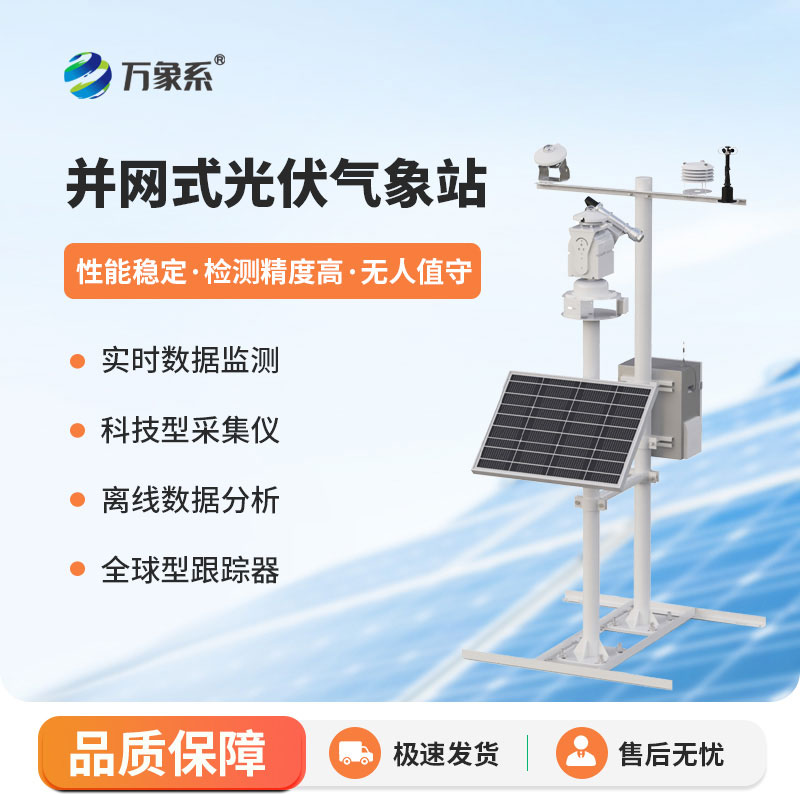
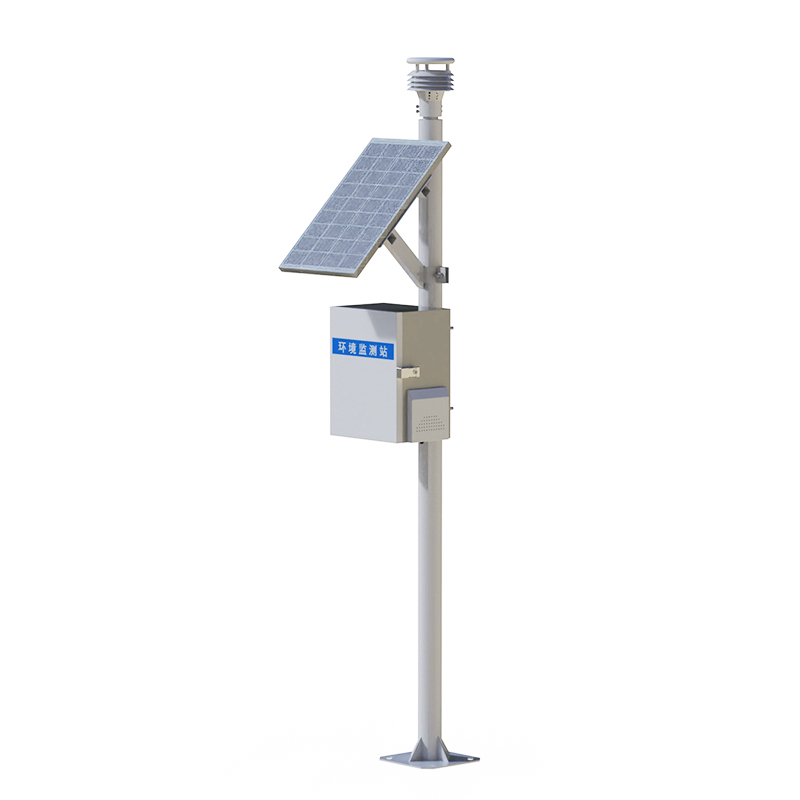
The power generation efficiency of photovoltaic power stations is closely related to meteorological conditions. Even slight changes in factors such as sunlight, wind force, and temperature can directly affect the power generation volume and grid connection stability. The WX-BGF11S grid-connected photovoltaic meteorological station acts like a precise "energy guide", rooted among the photovoltaic arrays, capturing in real time the key meteorological elements that influence photovoltaic power generation, providing reliable data for the operation and dispatching of the power station, ensuring that photovoltaic power can be generated efficiently and smoothly integrated into the power grid.
For the daily operation of photovoltaic power stations, the WX-BGF11S grid-connected photovoltaic meteorological station is a core tool for enhancing power generation efficiency. The power generation capacity of photovoltaic panels depends on sufficient sunlight, and the movement of clouds and changes in the angle of sunlight can cause fluctuations in light intensity. The meteorological station can monitor light data in real time. When the light intensity increases, the power station can promptly adjust the operating state of the photovoltaic panels to fully capture light energy; when the light intensity decreases, it can also make preparations for power adjustment in advance to avoid significant fluctuations in power generation efficiency.
Grid stability is a key indicator for photovoltaic power stations, and grid-connected photovoltaic meteorological stations play a significant role in this regard. When photovoltaic power is integrated into the grid, sudden changes in power can affect the stability of grid frequency and voltage. Meteorological stations can detect adverse weather conditions such as strong winds and heavy rain in advance, which often lead to a sharp drop in power generation. Based on the early warning information, the power station can gradually adjust its output power to achieve a smooth connection with the grid and reduce the impact on the grid.
In large and small photovoltaic power stations, grid-connected photovoltaic meteorological stations have become an indispensable and important component. They provide precise meteorological data to "navigate" photovoltaic power generation, not only enhancing the power generation efficiency of the power stations but also ensuring grid connection safety, thus providing a solid support for the efficient utilization of photovoltaic energy. With the continuous development of the new energy industry, this type of meteorological station will continue to play a role, helping photovoltaic power stations achieve more stable and efficient operation and promoting the continuous advancement of the clean energy cause.
Article address:
http://m.diuzz.com/en/newcen/1799.html







 Home
Home phone
phone Product Overview
 Contact Us